
Jedi: Fallen Order - Taking the Initiative in Combat
Introduction
Star Wars Jedi: Fallen Order (JFO) is an 2019 action-adventure game that places the player in the role of Cal Kestis, a Jedi fighting against the Galactic Empire.
The main goal of this post is to examine aspects of the combat system and explore:
- How players are encouraged to take initiative in combat. Rather than waiting for enemies to act, players are encouraged to engage and dictate the flow of combat.
This research and the resulting conclusions were done playing the game in “Jedi Master” difficulty, which is defined as “Players who are familiar with melee action games and desire a challenge”.
All in all, a balanced, challenging experience for fans of the action-adventure combat genre.
Combat Design and Taking Initiative
Action combat games come in different shapes and forms, depending on the goals of the game and consequently the experience designers are attempting to create. For example, some games place the player in a more reactive role, in which players must observe the enemy behaviours before getting the opportunity to act. Failure to do so, will put players in a precarious position, vulnerable to be punished and take damage. This can be due to reasons such as:
- Enemies might have faster attacks than the player.
- Long attack recovery times can leave the player exposed to an enemy riposte before they can act again.
- Careless management of resources like stamina, might leave players vulnerable, promoting a pondered approach to combat.
- Enemy relentless, overwhelming attacks are tempered with large windows of vulnerability, inviting players to be patient and wait for their opportunity.
These are just some of the reasons, some of which we typically see, for example, in Soulslike games.
Now, JFO takes some inspiration from Soulslike games, including in combat design. Attacks feel grounded and deliberate, yet the player is still encouraged to take initiative. Players can initiate combat, using their lightsaber to poke enemies and observe their reactions, with the game not punishing them in the process.
Let’s explore some aspects of the combat system that support this approach.
Lightsaber Type
In this analysis, I will be mostly considering attacks done with the Single Saber instead of the Double-Bladed Saber. The latter is only unlocked at later stages of the game, after the player has already encountered many different types of enemies.
The Double-Bladed Saber can be unlocked early, if the player visits Dathomir first, but for this analysis I decided to consider if the player keeps following the main story path.
About Frame Data
Throughout the post I’ll analyze the animation frames of certain player and enemy behaviours. This frame data are rough estimates based on analyzing gameplay footage at 60 fps.
In the case of attacks, these have startup frames, active frames and recovery frames:
- Through observation alone, it is impossible to determine the exact active frames of an attack, so I will default them to a single frame when the attack visually hits.
- When discussing player abilities, recovery frames refers to the canceled recovery: canceling an attack’s recovery into another attack or a defensive ability.
Frame Race
If the player initiates combat with a Light Attack, they are pretty much safe, because in most cases their attack will be faster. The Heavy Attack takes more frames, can be riskier, but can also be safely used in certain situations.
Let’s analyze some frame data on Cal’s basic attack combos and compare it to the enemies’.
Single Saber Light Attack – 3 Move Combo
Attack #01 (~40 frames):
- Startup → ~23 frames
- Recovery → ~17 frames
Attack #02 (~23 frames):
- Startup → ~10 frames
- Recovery → ~13 frames
Attack #03 (~35 frames):
- Startup → ~20 frames
- Recovery → ~15 frames
Single Saber Heavy Attack – 2 Move Combo
Attack #01 (~59 frames):
- Startup → ~48 frames
- Recovery → ~11 frames
Attack #02 (~63 frames):
- Startup → ~48 frames
- Recovery → ~15 frames
Now let’s take a look at some enemy attack data. We’ll begin with Scout Troopers which are some of first melee units the player encounters.
Both Scout Troopers and Scout Trooper Commanders share an attack combo.
Melee Attack – 2 Move Combo
Attack #01 (~65 frames):
- Startup → ~40 frames
- Recovery → ~25 frames
Attack #02 (~65 frames):
- Startup → ~32 frames
- Recovery → ~33 frames
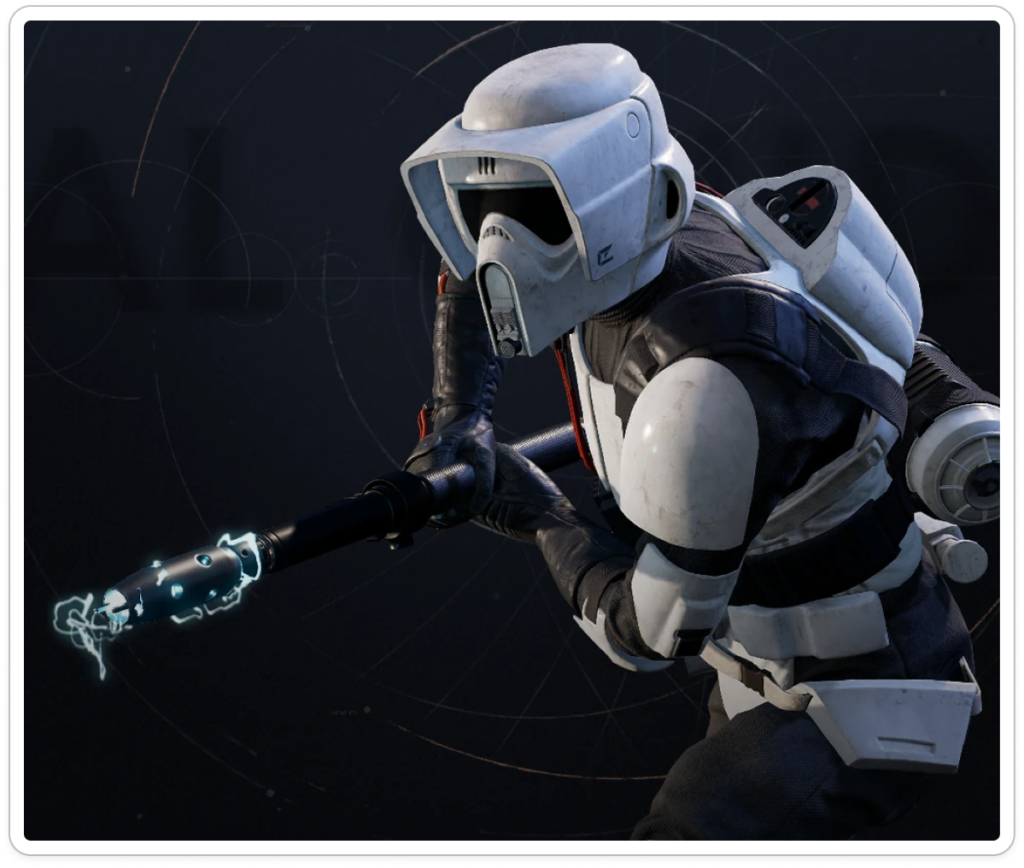
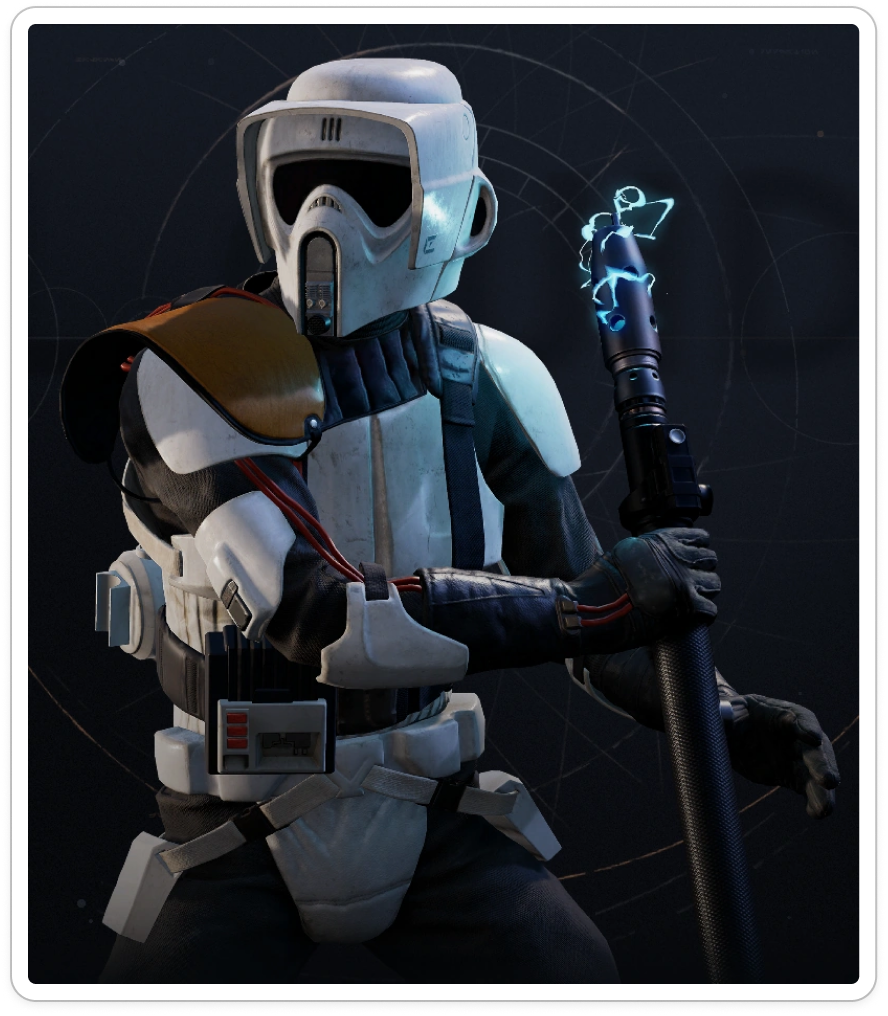
With startup times at least 10 frames higher than the player’s, Cal’s Light Attack swing will usually strike first, when both combatants start attacking at roughly the same time.

This applies to all player attacks in the Light Attack combo, even though, due to the dynamic nature of combat, the player’s and enemy’s attack startups won’t always be synchronized. But all in all, the startups frames are quite generous. Sometimes, the player can even start their attack a few frames later and succeed, as can be seen in the video below.
But this goes even further.
On certain thresholds, the enemy will even interrupt their own ongoing attack and start a defensive behaviour – as we can see in the video below, the Scout Trooper Commander changes his mind and snaps into blocking.
In this case, perhaps players would mathematically lose the frame race, but the game is forgiving enough, by switching enemy behaviour into defensive.
And this is verified on more advanced enemies as well.
- Purge Trooper (Electrostaff) has a series of moves whose first attack in the combo has high startup timings(~30, ~36, ~44 frames).
- This means that players can beat the frame timings and attack first.
- In the case of the Electrostaff trooper, they would often interrupt their own attack into blocking (similar to Scout Trooper Commanders).
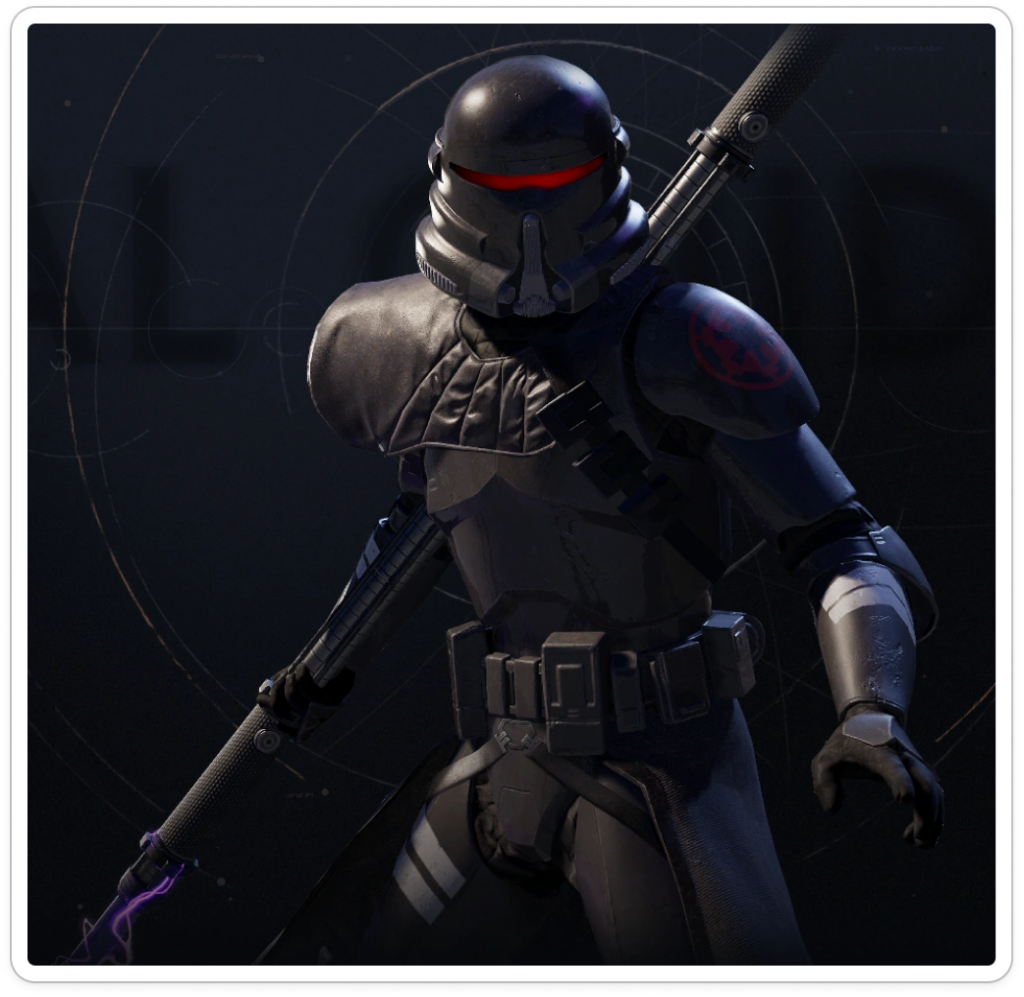

- In the case of the Purge Trooper (Batons) I found two combos with ~27 and ~32 startup frames on the first attack.
- Similarly to Scout Troopers, sometimes they would take damage, others they would interrupt into block.
- I like this example, because these Purge Troopers were some of the fastest, more agile and nimble enemies Cal had to face – yet the game still felt very fair when dealing with them.
Finally, we can also examine some of the most dangerous attacks enemies could do – these were usually signaled by the enemy flashing red before attacking. For the most part, enemies have Super Armor while channeling one of these attacks (meaning they wouldn’t get staggered), but the frame timings were very generous.
Some examples below.
Purge Trooper (Electrostaff)
Heavy Attack (~100 frames)
- Startup → ~65 frames
- Recovery → ~35 frames
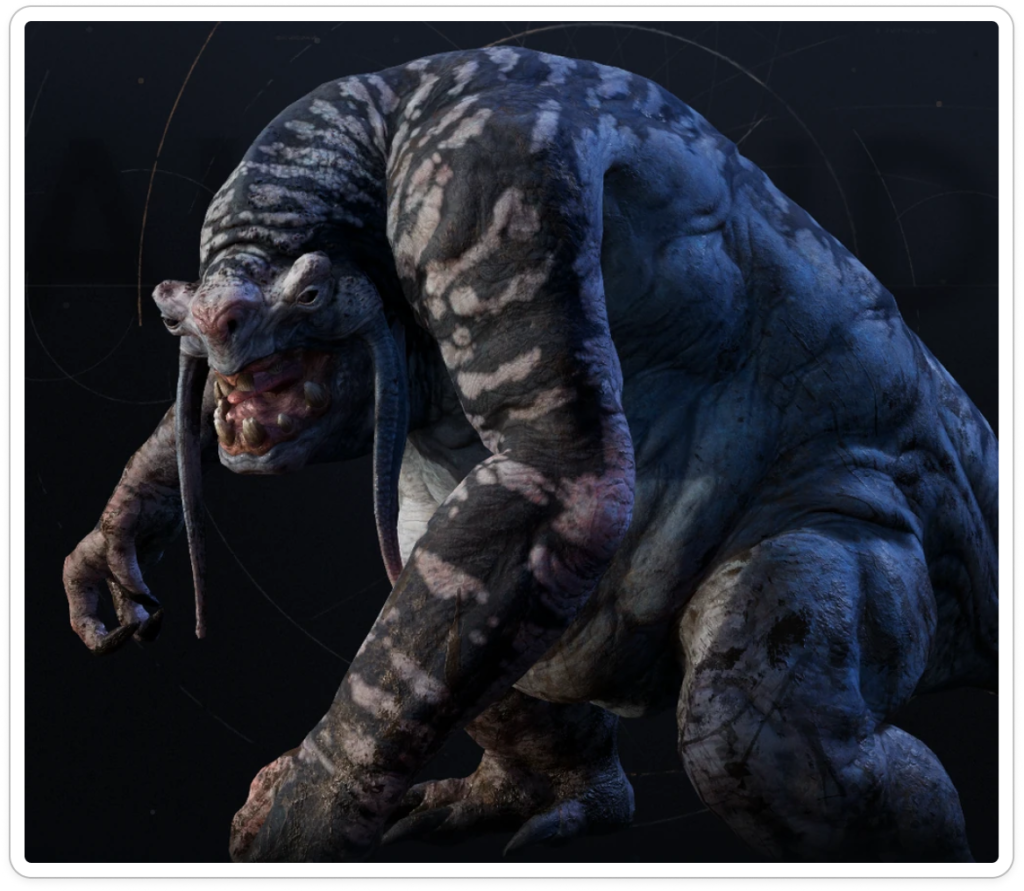
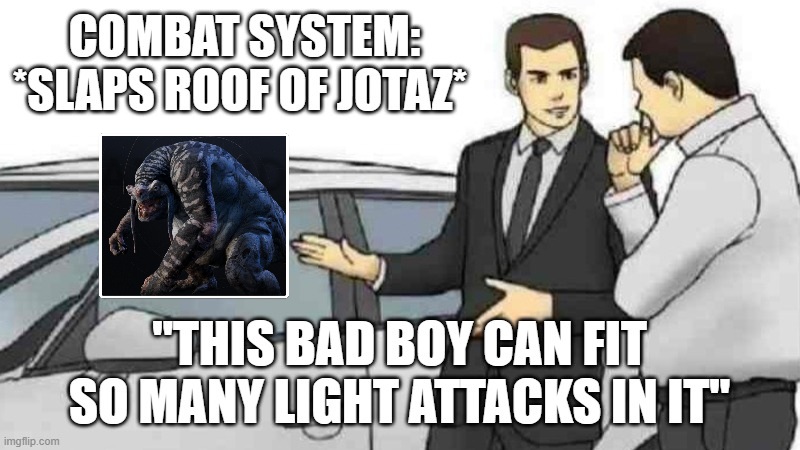
Jotaz
Smash Attack (~135 frames)
- Startup → ~85 frames
- Recovery → ~50 frames
Haxion Brood Bounty Droid
Heavy Punch (~103 frames)
- Startup → ~63 frames
- Recovery → ~40 frames
Heavy Smash (~107 frames)
- Startup → ~62 frames
- Recovery → ~45 frames
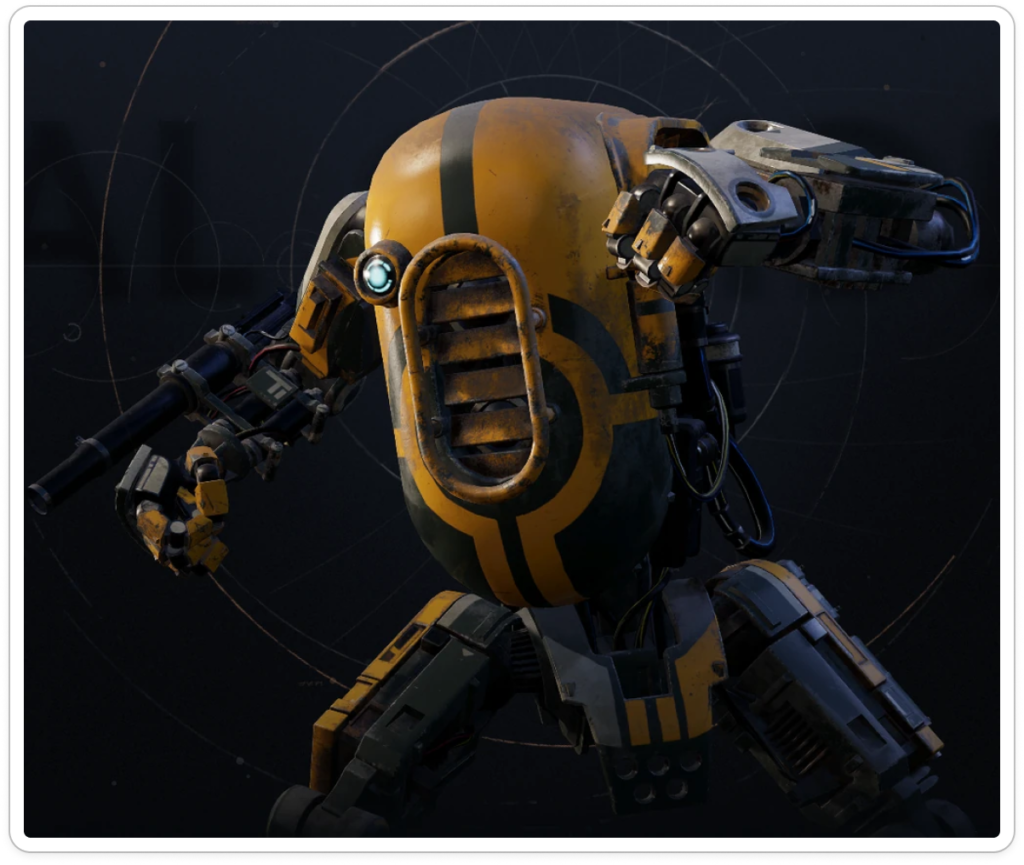
As a result, Cal is able to land one or two hits with Light Attacks and still manage to dodge at the last second (these attacks cannot be blocked nor parried). We will look at more of these examples in the next section.
Overall, JFO’s frame timings allow players to experiment with attacks in order to probe and investigate enemy reactions.
- If the player starts their attack first, the combat is always resolved in a win or a stalemate, with the player rarely being punished for initiative.
- On the other hand, frame timings can also punish poor decision-making – starting an attack while the enemy is already well into their own attack will often result in the player taking damage.
Frame Advantage and Frame Disadvantage
Obviously, combat goes beyond the first hit, but from the frame data above and the way enemies react, player attacks remain generally safe to use. Let’s take in consideration two definitions in combat design:
- Frame Advantage – After an attack, the attacker (player) is able to attack again before the defender (enemy) does.
- Frame Disadvantage – After an attack, the defender (enemy) is able to riposte before the attacker (player) is able to land an attack again.
In JFO, frame advantage means the player can keep stringing attacks, one after the other without enemies being able to riposte. This does happen… but more often than not, enemies are able to break the player’s attack chain and respond, forcing the player to stop attacking and rethink their strategy.
This creates a frame disadvantage situation, where the enemy’s attack will strike the player before the player can strike again. However – and this is a big however – with decent technical execution the player can always defend themselves during frame disadvantage. As a result, initiating with an attack is not particularly punishing.
Let’s look at some cases.
Case #01 - Hitting Nothing
In this first example, let’s even consider what happens when the player misses the enemy entirely. We can start by comparing the Light Attack player frames while animation-locked against an enemy startup frames. For the enemy, we can consider the enemy with the least startup frames(~27), which is the Purge Trooper (Batons).

The animation-lock during the player attack varies depending on the combo move.
When the player fails the attack, if the Purge Trooper starts at roughly the same time, the player will take damage. This is clear, when using the Attack #01 and Attack #03, with the player still manage to recover control and being able to act with Attack#02.
On the other hand, as long as the Purge Trooper started his attack ~14 frames later than the player (roughly 0.23 seconds at 60 frames) the player would be able to recover control in time and still be able to Dodge, Block or Parry.
This is just a rough analysis of the data by observing footage, but it is important to keep in mind that this an extreme case which further reinforces my point:
- Most enemy attacks have way more startup frames, increasing the window players have to recover control.
- Missing an attack, when the enemy has started theirs before or roughly around the same time, ends up being an execution issue from the player.
Overall, with proper execution, players will often have back control to Block, Parry or Dodge by the the time the enemy attack is about to land, even with a bit of forgiveness when player attacks miss their mark.
Case #02 - Player Heavy Attacks
We still haven’t talked about player Heavy Attacks. An opportunity to use these is when enemies use their most dangerous attacks, which take a lot of startup frames.

Players can land their heavy attacks and when the enemy attack is about to hit, they already have recovered control and can simply Dodge away.
Obviously, since these enemy attacks take so many startup frames, players can also use several Light Attacks before actually having to Dodge.

If by chance, players start the Light Attack Combo at least ~14 frames before the Jotaz starts its Smash Attack, they are able to fit the entire combo and still Dodge at the last moment! Again these are rough estimates, but it’s clearly felt during gameplay.
Case #03 - Enemies Blocking
In Jedi: Fallen Order, enemy blocking leads to frame advantage, since the enemy does not immediately riposte. As a result, it invites the player to follow up with another aggressive action – whether by continuing to attack or using another ability (for example to bypass the block).
Case #04 - Enemy Parry
When enemies parry, however, the player is in frame disadvantage, yielding the control to the enemy and must react defensively. However, enemy parries trigger custom animations for both the enemy and player, and they all seem to give enough frames for players to recover control and act defensively against the incoming enemy attack.
In the video below there are some examples of this. Consider even the second example with the Purge Trooper (Electrohammer). A custom animation plays in which the enemy kicks the player, without the player being able to do anything. Yet, the player’s health does not decrease. It is essentially a flavourful combat interaction rather than a meaningful punishment – the player still gets to evade the attack at the last second.
Case #05 - Enemy Super Armor
I bring you now the Nydaks, the annoying, deadly creatures found on Dathomir, one of the hardest planets in the game. These enemies perform a series of fast, relentless strikes, on top of having Super Armor against player attacks.
I have already given plenty of examples of how the player frame data allows the player to safely initiate attacks so I let the video speak for itself. Notice how, with perfect execution, the player can land a hit and still parry between enemy attacks, eventually triggering a stylish, rewarding instant kill.
Case #06 - Evasive Behaviour
Many enemies also break the player attack pressure by evading and counter-attacking. Once again, these enemy actions leave enough time for the player to recover control and successfully defend themselves (or take any other action they desire).
In the video examples below, the player even performs an extra attack after the dodge (which hits nothing), highlighting how forgiving the timing is.
Player Defensive Abilities and Positioning
If this analysis is about taking initiative in combat, why would we be discussing defensives abilities? Well, the nature of the player’s defensive abilities design also allow players to focus on the offense.
Resources
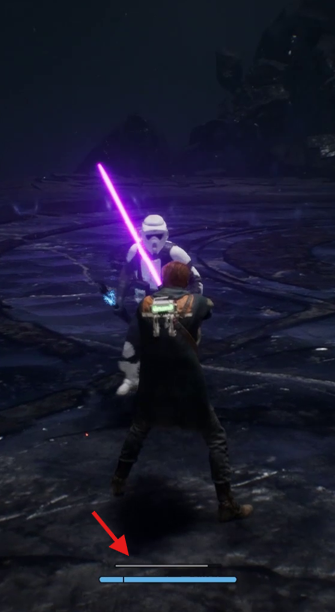
In many modern action combat games – particularly Soulslikes from which JFO draws some inspiration – players manage a shared pool of resources, usually in the form of a stamina bar. Attacking, blocking and dodging all consume this resource, meaning every defensive action comes at the cost of future offensive options, and vice-versa.
This is not the case with Jedi: Fallen Order. Melee attacks, evading and parrying consume no resources. Block does have a stamina meter, but it is exclusive to that mechanic.
Therefore, resource-wise, player attacks are not compromising their defensive options, allowing players to keep attacking as a dodge or block is always available.
Positioning
In most encounters, players face multiple enemies that can attack from different directions. Yet, Block and Parry can be performed against strikes coming from any direction.
This allows players to focus on offense, knowing that an attack from behind can still be blocked or parried.
Regarding positioning and combat priority, in many games an underlying combat manager decides who should attack at a given moment. While it is impossible to infer the exact rules from observation, enemies in front of the player seemed to act more often and enemies from behind had some kind disadvantage.
For example in the video below, we can see a Stormtrooper having to fire 23 shots from behind before finally landing a hit.
This once again reinforces the player’s offensive agency. By reducing the pressure from off-screen enemies, JFO creates space for players to focus on what’s in front of them.
Final Thoughts
In Jedi: Fallen Order, players can take control of the combat flow by proactively engaging enemies, rather than simply reacting to them. This means that in many cases, and in contrast to Soulslike games, the player can take charge, because offensively, if the player attacks first:
- Cal’s Light Attacks are faster or the enemy interrupts its own attack into a defensive behaviour.
- Dangerous enemy attacks have enough startup frames to let the player recover control from their own attacks and still be able to react (against dangerous attacks by usually evading).
Combat is also not resolved in a single hit. This initial player proactiveness transforms into reactiveness when enemies respond or pose resistance to player attacks. However, by the time an enemy attack is about to land, the player is also usually back in control and able to defend and reengage offensively afterwards:
- Once again, player attacks are sufficiently fast for the player to regain back control in time to defend.
- Enemy custom defensive behaviours (for example Parry) give enough frames for the player to reliable react after.
Another important aspect is that player’s defensive abilities do not share resources with the player’s offensive options. From a resource-management perspective, attacking never compromises defending.
Finally, the game seems to give some disadvantage and deprioritize enemies off-screen in regards to their attack intentions. This leads the player to be able to focus on what’s in front of them.